What does a wedding DJ do on the day of your event? The honest answer is that music is a fraction of it. A working DJ at a Seattle-area wedding is also managing the timeline, facilitating vendor communication, guiding guests through formalities, and adjusting quietly when things shift.
Couples often don’t realize this until they’re mid-reception and notice the DJ is talking to the caterer between songs.
DJ Kelli has worked more than 500 weddings since 2008 across Seattle, Snohomish, Woodinville, Tacoma, and surrounding areas. The role looks different from the inside than it does from the guest side of the room.
What Most Couples Think a Wedding DJ Does
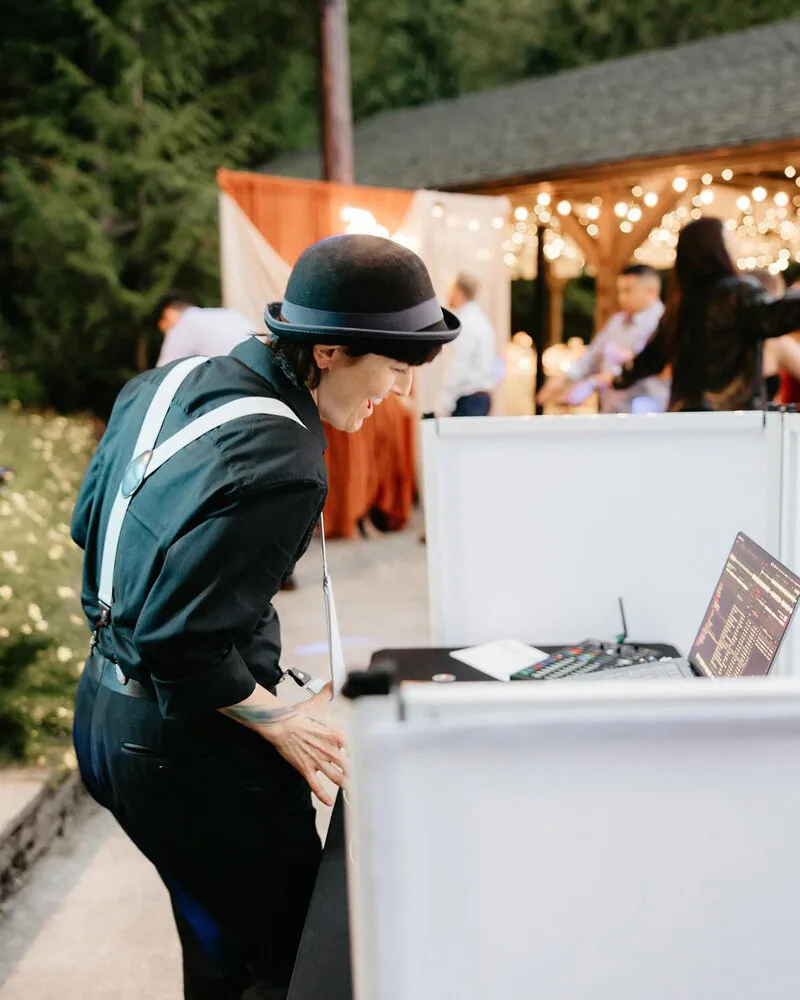
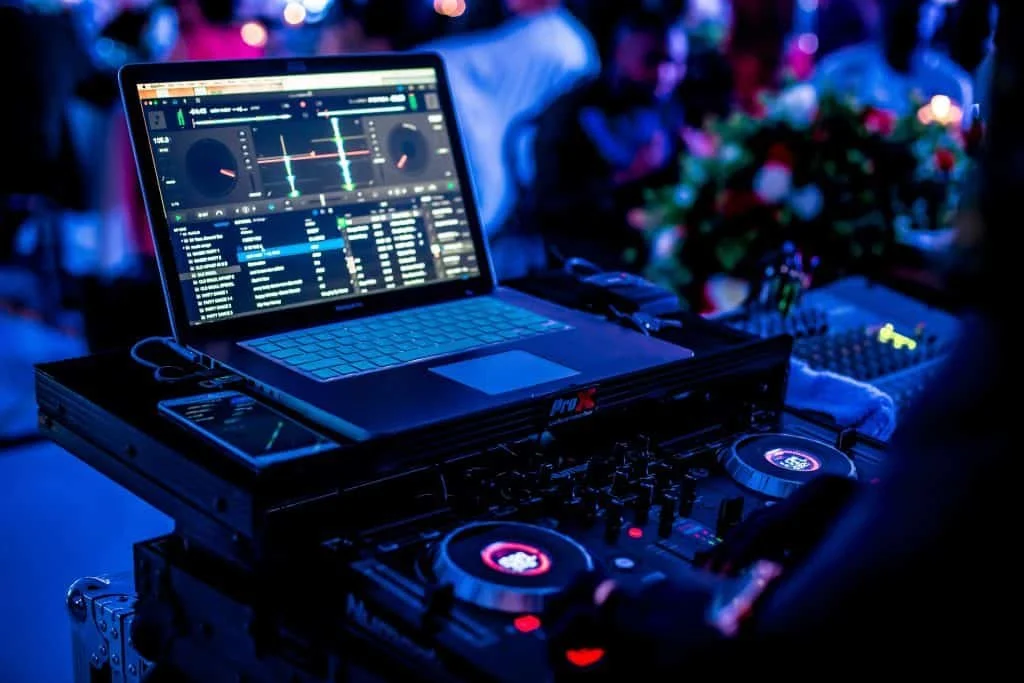
The common picture is someone behind a setup, playing songs, making a few announcements, and reading the crowd. That framing isn’t wrong. It’s just incomplete.
The bigger misconception is that the DJ is a background service. In practice, the DJ is often the person closest to the timeline all night. Coordinators, caterers, and photographers all track their own timelines. The DJ is frequently the thread connecting all of those moving pieces.
What Does a Wedding DJ Do as the MC?
MC work is more than reading names off a card. It’s knowing what to say, when to say it, and when not to say anything at all. For more detail on how this piece functions specifically, what a wedding MC does goes deeper on the facilitation side.
Adults at weddings are reliably distracted. They’re mid-conversation, catching up with family, or at the bar. Getting a room to move from cocktail hour into the dinner hall takes more than a standard microphone call. DJ Kelli’s approach involves specific delivery designed to move the room without sounding authoritarian. Something like: “I’d like to invite everyone into the dinner hall and find their seats, and yes, I do mean right this moment, thank you so much for your cooperation.” The tone stays warm. The room moves.
Knowing what does a wedding DJ do differently from a music playlist comes down largely to this MC layer. The judgment built over hundreds of events is about reading a room, not just playing to one.
Timeline Coordination Throughout the Night
From the moment guests arrive, the DJ is tracking time. Cocktail hour pacing affects when dinner can open. Dinner length affects how much dancing time remains. For a full look at how this arc typically plays out, A realistic guide covers how each segment connects and where momentum most commonly stalls. Speeches that run long compress everything that follows.
DJ Kelli actively monitors the schedule and coordinates with the photographer and day-of coordinator when one is present. When there’s a window for sunset or twilight portraits, that coordination happens quietly. The DJ holds a transition or extends a track slightly. Guests don’t notice. The photography team gets the time they need.
Compressed timelines change crowd behavior too. When dinner runs late, guests often become restless faster than usual. When there are long gaps between formalities, energy flattens and requires a slower rebuild. After working hundreds of Pacific Northwest receptions, these patterns become familiar, and the adjustments become instinctive.
Vendor Communication on the Day
On a wedding day, the DJ is often talking with the caterer, the photographer, and the coordinator more than couples realize. These conversations happen between songs, before transitions, and during quiet stretches of the program.
A DJ who doesn’t communicate with vendors tends to create gaps. Introductions start before catering is ready. The first dance happens while the photographer is still repositioning. Small coordination failures stack across a six-hour event. So what does a wedding DJ do about this? They stay in contact proactively, not reactively.
At events without a planner or coordinator, DJ Kelli takes on a light coordination role by default. For broader context on professional standards around this kind of coordination, the Event Industry Council’s professional standards overview is a useful outside reference. Not managing vendors, but keeping communication open so transitions stay clean.
Ceremony Audio: A Separate Layer of Preparation
For many couples, the DJ also handles ceremony audio. That work requires different preparation than reception setup.
Outdoor ceremonies across the Pacific Northwest introduce variables that indoor ballrooms don’t. Wind, uneven terrain, battery power availability, limited electrical access. DJ Kelli uses battery-powered systems when needed and coaches officiants on lavalier microphone use before guests arrive. Processional timing is coordinated with whoever is cueing the wedding party.
Guests notice poor microphone clarity immediately. Feedback, uneven volume, and drop-outs during vows are the moments people remember. The American Disc Jockey Association’s professional guidelines outline similar standards for audio reliability at this level. That’s why ceremony setup gets deliberate attention before anyone is seated.
What Does a Wedding DJ Do When the Plan Changes?
Receptions don’t follow a script exactly. The printed timeline is a starting point. What actually happens depends on how guests move, how long speeches run, and whether the caterer hits their pace.
The skill that matters most in these moments is adjusting without making the adjustment visible. Shortening an announcement. Holding a transition until the room is ready. Shifting a genre earlier because the dance floor is already there. Guests don’t notice these decisions. They just notice that the night felt smooth.
That’s largely what does a wedding DJ do that isn’t visible from the outside. The coordination, the quiet calls, the adjustments between moments. The music is the part the room hears. The rest is what keeps the night from falling behind.
FAQ
Is the DJ responsible for keeping the wedding timeline on track?
Often, yes. The DJ is frequently the person monitoring the program most closely throughout the night. At events without a day-of coordinator, that role becomes even more active. DJ Kelli coordinates directly with photographers, caterers, and venue staff to keep transitions moving.
What does a wedding DJ do during the ceremony?
For couples who book their DJ for ceremony coverage, the DJ handles processional and recessional music, lavalier microphone setup for the officiant, and audio for any readings or live musicians. Outdoor ceremonies require battery-powered systems and additional coordination for wind and terrain.
How is a wedding DJ different from just using a playlist?
A playlist doesn’t read the room. It doesn’t coordinate with the caterer when dinner is delayed, coach the officiant on microphone technique, or adjust the program when speeches run long. The DJ manages the music and the event structure simultaneously.
What does a wedding DJ do on the day of your event? The honest answer is that music is a fraction of it. A working DJ at a Seattle-area wedding is also managing the timeline, facilitating vendor communication, guiding guests through formalities, and adjusting quietly when things shift.
Couples often don’t realize this until they’re mid-reception and notice the DJ is talking to the caterer between songs.
DJ Kelli has worked more than 500 weddings since 2008 across Seattle, Snohomish, Woodinville, Tacoma, and surrounding areas. The role looks different from the inside than it does from the guest side of the room.
What Most Couples Think a Wedding DJ Does
The common picture is someone behind a setup, playing songs, making a few announcements, and reading the crowd. That framing isn’t wrong. It’s just incomplete.
The bigger misconception is that the DJ is a background service. In practice, the DJ is often the person closest to the timeline all night. Coordinators, caterers, and photographers all track their own timelines. The DJ is frequently the thread connecting all of those moving pieces.
What Does a Wedding DJ Do as the MC?
MC work is more than reading names off a card. It’s knowing what to say, when to say it, and when not to say anything at all. For more detail on how this piece functions specifically, what a wedding MC does goes deeper on the facilitation side.
Adults at weddings are reliably distracted. They’re mid-conversation, catching up with family, or at the bar. Getting a room to move from cocktail hour into the dinner hall takes more than a standard microphone call. DJ Kelli’s approach involves specific delivery designed to move the room without sounding authoritarian. Something like: “I’d like to invite everyone into the dinner hall and find their seats, and yes, I do mean right this moment, thank you so much for your cooperation.” The tone stays warm. The room moves.
Knowing what does a wedding DJ do differently from a music playlist comes down largely to this MC layer. The judgment built over hundreds of events is about reading a room, not just playing to one.
Timeline Coordination Throughout the Night
From the moment guests arrive, the DJ is tracking time. Cocktail hour pacing affects when dinner can open. Dinner length affects how much dancing time remains. For a full look at how this arc typically plays out, A realistic guide covers how each segment connects and where momentum most commonly stalls. Speeches that run long compress everything that follows.
DJ Kelli actively monitors the schedule and coordinates with the photographer and day-of coordinator when one is present. When there’s a window for sunset or twilight portraits, that coordination happens quietly. The DJ holds a transition or extends a track slightly. Guests don’t notice. The photography team gets the time they need.
Compressed timelines change crowd behavior too. When dinner runs late, guests often become restless faster than usual. When there are long gaps between formalities, energy flattens and requires a slower rebuild. After working hundreds of Pacific Northwest receptions, these patterns become familiar, and the adjustments become instinctive.
Vendor Communication on the Day
On a wedding day, the DJ is often talking with the caterer, the photographer, and the coordinator more than couples realize. These conversations happen between songs, before transitions, and during quiet stretches of the program.
A DJ who doesn’t communicate with vendors tends to create gaps. Introductions start before catering is ready. The first dance happens while the photographer is still repositioning. Small coordination failures stack across a six-hour event. So what does a wedding DJ do about this? They stay in contact proactively, not reactively.
At events without a planner or coordinator, DJ Kelli takes on a light coordination role by default. For broader context on professional standards around this kind of coordination, the Event Industry Council’s professional standards overview is a useful outside reference. Not managing vendors, but keeping communication open so transitions stay clean.
Ceremony Audio: A Separate Layer of Preparation
For many couples, the DJ also handles ceremony audio. That work requires different preparation than reception setup.
Outdoor ceremonies across the Pacific Northwest introduce variables that indoor ballrooms don’t. Wind, uneven terrain, battery power availability, limited electrical access. DJ Kelli uses battery-powered systems when needed and coaches officiants on lavalier microphone use before guests arrive. Processional timing is coordinated with whoever is cueing the wedding party.
Guests notice poor microphone clarity immediately. Feedback, uneven volume, and drop-outs during vows are the moments people remember. The American Disc Jockey Association’s professional guidelines outline similar standards for audio reliability at this level. That’s why ceremony setup gets deliberate attention before anyone is seated.
What Does a Wedding DJ Do When the Plan Changes?
Receptions don’t follow a script exactly. The printed timeline is a starting point. What actually happens depends on how guests move, how long speeches run, and whether the caterer hits their pace.
The skill that matters most in these moments is adjusting without making the adjustment visible. Shortening an announcement. Holding a transition until the room is ready. Shifting a genre earlier because the dance floor is already there. Guests don’t notice these decisions. They just notice that the night felt smooth.
That’s largely what does a wedding DJ do that isn’t visible from the outside. The coordination, the quiet calls, the adjustments between moments. The music is the part the room hears. The rest is what keeps the night from falling behind.
FAQ
Is the DJ responsible for keeping the wedding timeline on track?
Often, yes. The DJ is frequently the person monitoring the program most closely throughout the night. At events without a day-of coordinator, that role becomes even more active. DJ Kelli coordinates directly with photographers, caterers, and venue staff to keep transitions moving.
What does a wedding DJ do during the ceremony?
For couples who book their DJ for ceremony coverage, the DJ handles processional and recessional music, lavalier microphone setup for the officiant, and audio for any readings or live musicians. Outdoor ceremonies require battery-powered systems and additional coordination for wind and terrain.
How is a wedding DJ different from just using a playlist?
A playlist doesn’t read the room. It doesn’t coordinate with the caterer when dinner is delayed, coach the officiant on microphone technique, or adjust the program when speeches run long. The DJ manages the music and the event structure simultaneously.